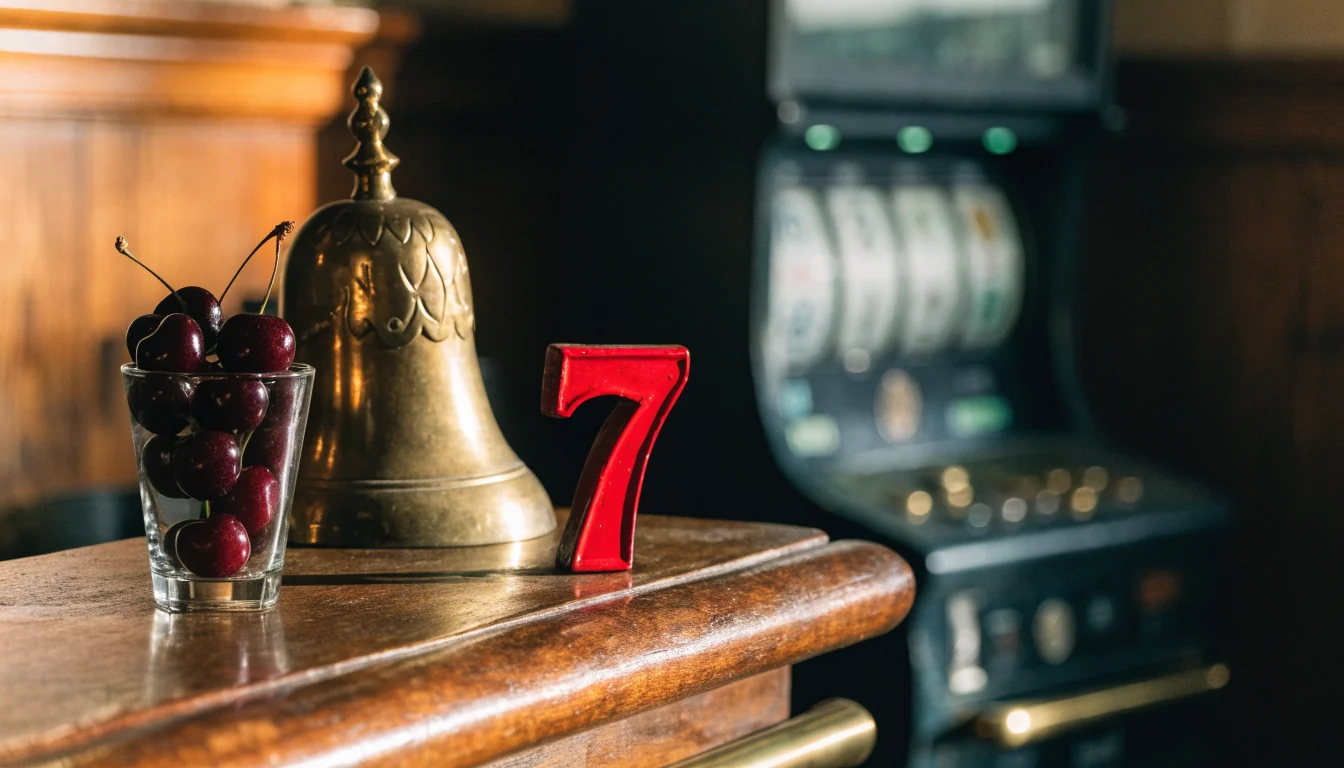
Best Progressive Jackpot Slots: How the Prizes Work
 Available in GB
See how shared pools, game triggers, bonus rules and minimum bets shape the chance to win a progressive prize.

Table of Contents
- Where the Jackpot Money Comes From
- Playing Progressive Slots Online: Free Play and Real Stakes
- Casino Bonuses, Wagering Rules and Licence Checks
- How Progressive Slot Machines Connect Their Pools
- Game Triggers: Random Wins, Combinations and Bonus Rounds
- Finding Progressive Jackpot Casinos in the UK
- Our top casino picks for the UK
- What to Expect When a Progressive Jackpot Pays Out
- Popular Progressive Slots and the Minimum-Bet Catch
- Mega Moolah: Check Availability Before You Play
- Before You Play for Real Money
Where the Jackpot Money Comes From
A progressive jackpot is funded by play, not added to the machine as a fixed prize. Each qualifying wager sends a small share into a pool, and that pool grows as people keep playing. The amount on screen is therefore connected to the stakes being placed across the slot machines feeding it.
For progressive jackpot slots, the contribution is typically between 1% and 3% of each wager. That does not mean the whole stake disappears into the jackpot: the rest is allocated to the game’s other payouts. But it does mean that a spin has two different jobs. It gives you a chance at the ordinary prizes in the game, while a portion of the wager helps build the progressive prize.
The pool gathers contributions from wagers made on connected machines. From a player’s point of view, the display may look like one prize that simply climbs. Underneath, it is the accumulated result of many small contributions. The rate of growth can change with the amount of play, so a large figure on screen is not a promise that the next spin will win it. It is a running total, not a timetable.
That distinction is easy to miss when the jackpot is the most visible number on the screen. I find it helps to separate the prize display from the cost of each spin. The displayed total tells you how large the pool has become; it does not tell you how often the jackpot is won, or what your individual chance is. Those details depend on the game’s own rules, not on the size of the number.
The trade-off in the base game
The contribution to the jackpot has a counterpart in the slot’s base-game return. The RTP, or return to player, is a theoretical measure of how much a game returns through its ordinary play over a very large number of spins. It is not a forecast of what one person will get back during a session.
High-volatility slots in the UK: what to expect
For progressive slots, the base-game RTP often sits in the 88%–92% range. The part of the payout that is not returned through the base game goes towards the jackpot pool. Put simply, the game is balancing ordinary prizes against a chance at a separate, growing prize. That helps explain why the base-game figure can be lower than a player might expect from a slot without a progressive feature.
RTP is useful for understanding the design, but it is not a personal guarantee. A game can return more or less than its theoretical rate over any particular stretch of play. Nor does a lower base-game RTP mean that the jackpot is likely to make up the difference for you. The pool receives its share from wagers, but your outcome still depends on whether the game awards the progressive prize.
I would read the two figures as different parts of the same arrangement: the base-game RTP describes the ordinary payout structure, while the progressive display shows the prize being built from contributions. Neither number, by itself, tells you what a session will deliver. The jackpot is part of the game’s payout design, not a correction applied to your personal results.
What the growing total does—and does not—say
When you see a progressive jackpot casino slot with a rising prize, it is tempting to treat the display as a signal that the game is “due”. It is not. A pool can keep accumulating while players take spins, and the total alone does not establish when it will be won. Watching it rise may make the prize feel more immediate, but it does not change what the individual wager buys.
The same principle applies whether you encounter a progressive game on a single machine or as part of a broader pool. Contributions from connected machines build the prize; the amount shown is the running result of those contributions. The precise way machines share a pool is a separate matter, but the basic funding mechanism is simple: wagers provide the input, and a portion is directed to the progressive total.
Attention: A rising jackpot total is not a signal that a game is "due" to pay out; it does not change the odds of an individual wager.
This is why I look at the base game before getting carried away by the jackpot display. Consider what the ordinary play offers and remember that the progressive prize is an additional possibility, not the expected return from every spin. The jackpot can be eye-catching. The mechanics are less magical.
If you are comparing online slots with progressive jackpots, keep that split in mind: part of each wager supports the pool, while the base game has its own return structure. A growing total explains how the prize is funded; it does not tell you how likely it is to land, or when.
Playing Progressive Slots Online: Free Play and Real Stakes
Free play and real-money play can look almost identical on screen, but they are not the same experience. In free mode, you can get used to a game’s layout and pace without staking cash. With real money, each spin uses your balance, and any win is a real one subject to the game and operator’s terms. That distinction matters especially when you are looking at progressive jackpot slots: a free version may let you explore the ordinary game without giving you a chance to win its cash jackpot.
A free-play version is useful for learning where the controls are, what symbols appear and how a round unfolds. You can take your time and decide whether the game is enjoyable before risking money. If a demo is available, check that it is actually the same title as the real-money version. A familiar name or similar artwork is not enough to assume every feature behaves in the same way.
High-RTP Slots in the UK: How to Compare RTP
Free play is not a forecast of what will happen with a cash balance. Results in a demo do not tell you how a later real-money session will go, and a run of wins or losses is not a promise about the next session. I treat the demo as a way to get comfortable with the interface, not as evidence that a game is ready to pay out. That is a useful limit to keep in mind.
Promotional free spins are a separate thing from a demo. They are spins supplied under an offer’s rules, rather than a way to play indefinitely without a cash stake. The key detail is whether the offer can be used on a progressive game at all. Most free-spin offers are restricted to non-progressive titles, so a progressive jackpot slot may not appear among the eligible games. Read the offer’s game list before assuming you can use the spins on the title you had in mind.
A specialist review reports that winnings from free spins on progressive slots may be capped at £50–£100. Treat that as a reported condition, not a standard that applies everywhere: the actual offer terms are what matter. A cap can mean that even if a free spin produces a larger displayed win, the amount credited under the offer is limited. Check how the offer defines winnings and whether the restriction applies to each spin, the total promotional return or another part of the promotion. Don’t rely on the game screen alone to tell you what you can withdraw.
Some promotional free spins may have winnings capped at £50–£100, meaning the amount credited may be limited even if the game screen shows a larger win.
What changes when you switch to real money?
With real stakes, you are no longer just trying out the controls. You are spending money on each spin, and your balance can fall as well as rise. A progressive jackpot may be shown prominently, but its presence does not turn the base game into a free practice round. Keep the amount you choose to spend separate from the jackpot figure on screen; one is your money, while the other is a prize pool.
Before starting, check that you have selected the intended mode. Some games present demo and cash play through similar menus, so it is worth pausing before you spin. Confirm the displayed balance and stake, and make sure you understand whether the session is using free credits or money in your account. A quick check is less exciting than a surprise, admittedly.
Free online play can help you decide whether the presentation suits you. It cannot establish that the same feature will be available in a promotional free-spin offer, or that a real-money session will produce a particular outcome. Those are different questions. The offer terms govern promotional spins; the game’s real-money mode is played with cash at the stake you select.
If you move from a demo to a real-money progressive slot online, do it deliberately rather than treating the transition as a continuation of the free session. The practical question is not whether the free version looked generous, but whether you are comfortable spending your own money on the real version. Set your own stopping point before playing, and step away when you reach it. Free play is for trying the game; real stakes are a financial choice.
3-Reel Slots in the UK: Layouts, Play and Odds
Casino Bonuses, Wagering Rules and Licence Checks
A bonus can look like extra room to try a progressive jackpot slot, but the headline offer is only one part of the deal. Before accepting it, check which games qualify, how wagering is counted and what happens to winnings if you meet the terms. A bonus balance is not automatically cash you can withdraw.
Wagering requirements set how much qualifying play must take place before bonus-related winnings can be withdrawn. Read the operator’s definition carefully: it may distinguish between the bonus amount and any cash deposit, and it may exclude particular games or stakes. If progressive slots are excluded, or contribute differently to the requirement, playing them may not help you clear the offer as you expect. The terms for that specific promotion are what matter.
The figures quoted for no-deposit offers should be treated as a snapshot, not a promise about every casino. One specialist review reports wagering requirements of 40x–60x for such bonuses, alongside maximum withdrawal caps of £50–£100 on winnings. Those figures can make a large-looking bonus less useful than it first appears: a wagering condition can take substantial play to satisfy, while a cap can limit what you may withdraw even after completing it. Check the current offer terms rather than assuming those figures apply to the progressive jackpot casino site you are considering.
Do
- Check which games qualify for the bonus
- Read the operator’s definition of wagering
- Verify if progressive slots contribute to requirements
Don’t
- Assume a bonus balance is automatically withdrawable
- Rely on general snapshots of no-deposit offers
- Accept terms that are unclear or leave you unsure
Look for the cap as well as the playthrough rule. It may apply specifically to winnings from the bonus, not to your deposited funds, and the distinction should be clear in the terms. Check whether the offer expires, which games count and whether any other conditions affect withdrawal. If the wording leaves you unsure whether a progressive game qualifies, ask the operator before opting in and keep a copy of the answer. A bonus that cannot be used on the game you want is not much of a bonus.
I treat “bonus” as a set of conditions, not a free extra. That is less exciting, but more useful when deciding whether an offer suits the way you intend to play. If you would not choose the games or stakes needed to satisfy the terms without the promotion, it may be simpler to decline it.
Check the operator, not just the offer
For real-money play in Great Britain, check that the operator holds the relevant UK Gambling Commission operating licence before depositing. The Commission issues operating licences to businesses and personal licences to individuals working in relevant roles. A personal licence held by someone associated with a company is not a substitute for the business’s operating licence.
Use the UK Gambling Commission’s public register to check the operator and the licence details. Match the name on the register with the company named in the casino’s terms and conditions; a familiar brand name alone may not tell you which legal entity runs the site. If the details do not line up, pause and clarify them before opening an account or sending money. That check matters whether the site promotes a progressive jackpot bonus, a welcome offer or no promotion at all.
5-Reel Slots in the UK: Layouts and How They Work
The same principle applies when a site presents itself as a bitcoin progressive jackpot casino or uses other cryptocurrency language in its marketing. The payment label does not tell you whether the operator is authorised to serve customers in Great Britain. Check the business behind the site against the Commission’s register rather than treating a particular payment method or a polished presentation as evidence of a licence. Do not deposit while the operator’s identity or licence status is unclear.
Terms should also identify who is responsible for the account and where complaints can be raised. If the company named in the bonus rules differs from the one shown in the licence information, ask why before proceeding. Clear, consistent details are a basic check; they do not guarantee that an offer will suit you, but they help you establish who is making it.
A “best progressive jackpot casino” label is not a licensing category, and an attractive bonus does not make a site legitimate. Separate the two decisions: first establish that the operator has the appropriate licence, then decide whether the promotion’s restrictions are worth accepting. If you cannot find the relevant company on the register, or the terms do not explain how the bonus works, walk away until you can verify the details. No offer is worth guessing over.
Licence Check
Do not deposit money if the operator’s identity or licence status is unclear, or if the company name does not match the UK Gambling Commission register.
How Progressive Slot Machines Connect Their Pools
A progressive jackpot slot machine can look like a self-contained game: you open it, place a stake and see a jackpot meter on screen. But the machine you are playing may be only one point in a larger network. The key distinction is whether its jackpot pool is limited to that machine or fed by wagers on connected machines running the same progressive game.
With a standalone setup, the pool is associated with an individual machine. In a networked setup, connected machines contribute to a shared pool. That means the jackpot is not built solely from play on the particular screen in front of you. Other players using connected versions of the game may contribute to the same prize pool too.
The visible meter does not tell you, by itself, how wide that network is. It shows the jackpot value presented by the game, but the underlying pool may include connected machines at more than one operator. Where operators carry the same progressive slot game on the relevant network, they can share its jackpot pool. So a game offered at separate casino sites may still be linked to one prize rather than running a separate jackpot at each site.
That is the part people can easily miss. Two sites displaying the same game do not necessarily mean two separate jackpots. If both operators carry the connected version, wagers on machines across those operators can feed the same pool. The operator is where you access the game; it does not automatically define the boundaries of the jackpot network.
Bonus Buy Slots in the UK: How They Work
I find it useful to think of the machine as a doorway, not necessarily the whole system. The game instance you play is connected to the pool, and that pool may be shared more widely. The number of machines or operators involved can vary with the particular game and its network. Don’t infer the network’s reach from the casino name or from the fact that the title looks familiar.
For progressive jackpot slots in the UK, this distinction matters when you are comparing what appears to be the same game in different places. Check the game information shown by the operator and the provider’s description of the progressive feature. Those details can help clarify whether you are looking at a standalone prize or a networked pool. If the information is unclear, ask the operator rather than assuming that a matching title means a matching jackpot.
The arrangement is about how the game’s jackpot is connected, not a promise that every machine or operator contributes to every pool. A network only includes machines connected to that particular progressive game. Another title, even from the same provider, may have a separate arrangement. Likewise, a machine carrying a progressive feature is not automatically part of a shared network.
Once you separate the screen from the pool behind it, the setup is easier to read: connected machines contribute to the same jackpot, and the network can extend across operators that carry that game. The machine is just the visible end of it.
Networked vs Standalone Pools
A standalone setup associates the pool with an individual machine. In a networked setup, connected machines—potentially across different operators—contribute to a shared prize pool.
Game Triggers: Random Wins, Combinations and Bonus Rounds
A progressive jackpot feature does not have one universal trigger. In one game, the jackpot event may be random; in another, it may depend on a particular combination appearing or on reaching a bonus round. Those routes can look similar from the outside, but they describe different ways a game can award a chance at its progressive prize.
With a random trigger, the feature is not necessarily tied to a visible winning combination on the reels. A qualifying event can occur during play without the symbols showing an obvious jackpot pattern. That can make the feature easy to misunderstand: a spin that looks ordinary may still be the one that activates it, while a run of attractive-looking results does not, by itself, show that the jackpot is due.
Other progressive jackpot slot games use a specified combination. Here, the relevant symbols or pattern are part of the trigger, so the game’s information screen is worth checking before you play. Do not assume that a familiar line win is also the jackpot combination. The jackpot condition may be separate from the base game’s ordinary wins.
A third route is entry into a bonus round. The bonus feature provides the route to a jackpot chance, rather than the jackpot being triggered directly by a random event or a particular combination alone. The details differ by game, so the bonus rules matter: entering a round tells you how the feature is reached, but not necessarily what must happen within it for a jackpot to be awarded.
I find it useful to separate the trigger from the prize. The trigger explains what opens the jackpot feature; it does not tell you how often it will happen or what the largest progressive prize will be. Those are different questions, and a game’s presentation can make them feel like one. It isn’t.
Before choosing among progressive jackpot casino games, look for the game’s own explanation of its jackpot conditions. Check whether it describes a random event, a required combination, or a bonus-round entry, and read any further instructions attached to that feature. If the explanation is unclear, do not fill the gap with assumptions based on another slot. Similar-looking games can use different trigger routes.
That is a more useful way to compare popular progressive jackpot slot games than treating a jackpot label as a complete description. The route to the feature is part of how the game works; it is not a promise that a particular spin, symbol pattern or bonus entry will produce a jackpot.
Finding Progressive Jackpot Casinos in the UK
When I look for a progressive jackpot casino in the UK, I start with the operator, not a promise on a homepage. A site may show jackpot-themed games, but that alone does not tell you whether it is operating within the British gambling system. The useful first check is whether the business is authorised to offer gambling to customers here.
The UK Gambling Commission regulates remote gambling offered to consumers in Great Britain, regardless of where the operator’s equipment is based.
The UK Gambling Commission regulates gambling activity, including online casinos. In Great Britain, it is the authority responsible for commercial gambling; there is no separate commercial gambling regulator covering the same ground. Its remit also follows the service, not the location of the operator’s equipment: remote gambling offered to consumers in Great Britain falls under its rules even if the key systems are based elsewhere.
That matters when comparing progressive jackpot casinos serving British players. An operator cannot sidestep the relevant requirements simply by hosting its platform abroad. Look for clear operator and licensing information, then check that the business is covered by the Gambling Commission’s regulatory framework. If those details are difficult to find, I would not treat a jackpot banner as reassurance.
There is a small but important wording distinction here. The Commission regulates remote gambling offered to people in Great Britain; that is the precise scope to keep in mind when reading claims about a “UK” casino. The market language often uses UK broadly, but the regulator’s stated remit for remote gambling is tied to consumers in Great Britain. A familiar brand name or a polished site design does not change that.
Once the operator checks out, you can look through its games catalogue for progressive jackpot slots. Availability can differ between operators, so a title mentioned elsewhere is not proof that a particular casino carries it. Check the casino’s own current catalogue rather than relying on an old list or a general claim that it has the best progressive jackpot slots. The catalogue is the evidence; the slogan is just the slogan.
This is a straightforward way to narrow the field: confirm who operates the site, establish that its British-facing gambling is within the Commission’s remit, and then see whether the games you want are actually listed. It will not tell you whether a game suits your budget or preferences, but it does separate a real operator check from marketing language. Start with the licence, then browse.
Our top casino picks for the UK
- SpinFormulaBonus: 550% Up To £15,000 + 550 FS · Payout speed: 1-3 business days
- WinBeastBonus: €5000 + 500 FS + €650 Freebet · Payout speed: 1-3 business days
- DieselwinBonus: Welcome Pack 250% up to £4000 + 200 FS · Payout speed: 1-3 business days
- NightWinBonus: £900 + 400 free spins · Payout speed: 1-3 business days
- ChanzeBonus: Slots Welcome Bonus #1 200% up to €500 · Payout speed: 1-3 business days
- Revery PlayBonus: 100% up to€1,000+ 100 FS · Payout speed: 1-3 business days
- AmunbetBonus: Join now and get 450% up to 2,700 GBP + 450 FS · Payout speed: 1-3 business days
- SlotoSportBonus: 500% up to £ 10 200+ 777 FS · Payout speed: 1-3 business days
- NightLuckBonus: Welcome Pack + 805% Up To 6400€ + 280 FS · Payout speed: 1-3 business days
- ZombillionBonus: Welcome Pack 250% up to £4000 + 200 FS · Payout speed: 1-3 business days
What to Expect When a Progressive Jackpot Pays Out
A win on a progressive jackpot slot can feel like the end of the story. In practice, the payout process may have a few steps left. A specialist review of progressive jackpot payouts reports that a large win may involve additional verification and, in some cases, payment in structured instalments over several years.
That possibility is worth understanding before you play. “Jackpot won” does not necessarily mean the full amount will arrive in your account at once. The payment arrangement can depend on the game and the operator’s published terms, so read those terms rather than relying on what happened to another player. One large win, one set of conditions.
If a game advertises a substantial progressive prize, look for its payout rules before staking money. Check whether they explain how a large award is handled, including whether payment can be split into instalments. If the wording is unclear, ask the operator to explain it in writing before you play. You are not being difficult; you are checking what a headline figure means in practice.
Note: Large progressive wins may be subject to additional verification or paid in structured instalments over several years.
Extra verification is another possibility. A large claim may need further checks before it can be processed. That does not, by itself, tell you how long the process will take or what documents will be requested, so avoid treating another player’s experience as a timetable for yours. Follow the operator’s instructions and keep copies of relevant account messages.
I would also separate the displayed jackpot from the amount and timing you can actually expect to receive. The display tells you the prize being shown by the game; the payout terms explain how an award may be delivered. For the largest progressive slot jackpots, that distinction matters more than the excitement of the number on screen.
Before committing to a game, find the relevant rules and make sure you can understand them. If they describe instalments, note the schedule and conditions. If they do not clearly explain how a major win is handled, ask for clarification rather than filling in the gaps yourself. A jackpot is a striking result; the payment terms are the part you need to read carefully.
Popular Progressive Slots and the Minimum-Bet Catch
A popular progressive jackpot slot is not automatically the best fit for you. I would be wary of any list that presents a definitive UK ranking without explaining how games were compared. A high jackpot headline tells you little about the way a game plays, and “top-rated” can mean different things depending on who is doing the rating.
When you compare video slots with progressive jackpots, start with the details shown in the game’s information screen and the operator’s listing. Check which jackpot tiers are available, how the game says you can qualify for them, and whether the rules attach a condition to a particular tier. Those details matter more than a large figure displayed beside the reels. They also give you a fairer basis for comparing games than popularity claims alone.
There is a catch worth checking before you spin. A specialist review has reported that certain progressive slots with random jackpot triggers require a minimum bet to qualify for the highest jackpot tier. That is not a rule to assume applies to every game; it is a prompt to read the individual game rules. If you play below the stated qualifying stake, you may still be playing the base game, but you should not assume you are eligible for that top tier.
I would also separate “biggest” from “best”. A jackpot can attract attention without telling you how often it is won, what conditions apply, or whether the stake suits your budget. Don’t increase your stake just to chase a tier. If the qualifying requirement is unclear, pause and check the game information or ask the operator to clarify it before playing.
Best Low-Volatility Slots in the UK: How They Play
For a shortlist, use criteria you can actually verify: whether the game is available at the casino you use, what its rules say about jackpot eligibility, and whether you are comfortable with its stake. Availability can differ between operators and change as catalogues are updated, so a list copied from elsewhere may not match what you can play today. That is a more useful approach than treating an unverified ranking as a verdict.
Mega Moolah: Check Availability Before You Play
Mega Moolah is a recognisable name, but that does not mean you will find it at every UK casino. Whether the progressive jackpot slot is listed depends on the operator, and the games on offer can change when providers update their catalogues. A specialist review also notes that availability can vary between operators, so an old mention of the game is not proof that it is there now.
I check the casino’s own game catalogue rather than relying on a general list. Search for “Mega Moolah” in the games area, then open the result and confirm it is the title you meant. If it does not appear, the operator may not currently carry it; trying another search spelling will not make the game available.
Looking for Mega Moolah online from the UK? Treat availability as something to confirm at the specific operator, not as a feature of the whole market. A page describing the game may be out of date, or may cover a different casino. Catalogues are not fixed.
The same care applies if you are looking for a progressive jackpot slot demo. Check whether the operator actually lists a demo version of Mega Moolah, rather than assuming a page about the game offers one. A demo listing and a real-money listing are not interchangeable.
Be careful with similar wording, too. A search for a progressive diamond jackpot slot may bring up titles other than Mega Moolah; the shared idea of a growing prize does not make them the same game. Check the title shown in the catalogue before you open it.
I would not treat a missing listing as a promise that the game will return, either. Providers update their catalogues, and operators decide which titles to carry. If Mega Moolah matters to you, check the current listing directly before planning to play. No guesswork needed.
Before You Play for Real Money
Before you deposit, check how the casino handles withdrawals and set account controls you can live with. A progressive jackpot win may be exciting; waiting for the money to arrive is less so.
Payment times depend on the method and the operator’s processing. A specialist review’s payment guide gives indicative timings: debit-card withdrawals can take 1–3 working days, e-wallet withdrawals may arrive within hours, while bank transfers can take 3–5 working days or longer. Treat those as estimates, not a promise. Check the cashier and withdrawal terms for the particular casino, including any verification steps or processing times shown there.
UK-licensed operators must provide tools to help you manage your gambling. These include deposit and loss limits, session reminders, self-exclusion and access to support resources. Use the controls before you start playing progressive jackpot slots for real money, rather than relying on willpower after a session has begun. You should also be prompted to set a financial limit before making your first deposit, with account-level limit controls available.
There are practical payment rules, too. UK-licensed casinos cannot accept credit cards for gambling, including credit-card funding routed through a money service business; some wallets funded by credit cards are also excluded. Operators must verify your age before allowing a deposit. For online slots, each game cycle has a maximum stake of £5 for players aged 25 and over, or £2 for those aged 18 to 24. A spin must take at least 2.5 seconds, and autoplay is not permitted in Britain.
When you play progressive jackpot slots online in the UK, the sensible routine is simple: know your withdrawal route, set a limit, and use the break or exclusion tools if play stops feeling manageable.
Do all UK casinos offer the same progressive jackpot games?
No. Game availability varies between operators and can change as providers update their catalogues, although network jackpots are shared across operators that offer the same game.
Are progressive jackpot slots worth playing?
They may suit you if you enjoy the chance of a growing jackpot, but the base-game RTP is often 88%–92%, and the jackpot is not a guaranteed return or a way to make up losses.
How fast are progressive jackpot withdrawals paid out?
Debit card withdrawals typically take 1–3 working days, e-wallet withdrawals can take hours, and bank transfers often take 3–5 working days or longer. Large jackpot payouts may need extra verification or be paid in instalments over several years.
What should I look for in a progressive jackpot slot?
Check the base-game RTP and how the jackpot is triggered, since some prizes require a particular combination or bonus round while others trigger randomly. Also check whether the highest jackpot tier requires a minimum bet.
Created by the "Casino not on Gamstop" editorial team.