What “casino not on Gamstop” means in the UK
 Available in GB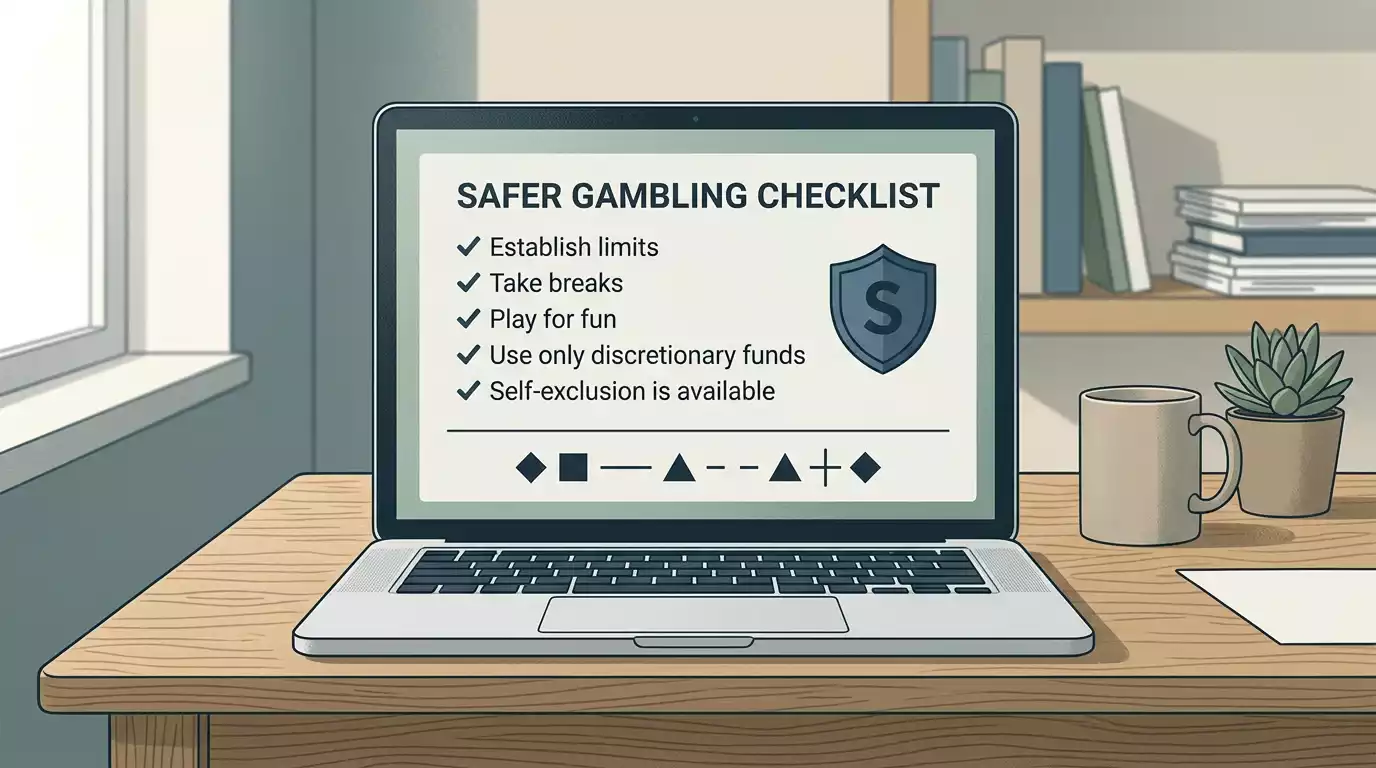
The plain meaning
In ordinary use, the phrase points to a gambling site that does not appear to be covered by GAMSTOP. The difficulty is that people use it for several different things. Sometimes they mean a site based outside Great Britain. Sometimes they mean a site that advertises to UK readers but does not clearly show a Gambling Commission licence. Sometimes they simply mean a site they believe might still accept them after a self-exclusion. Those meanings are not the same, and mixing them together can lead to bad decisions.
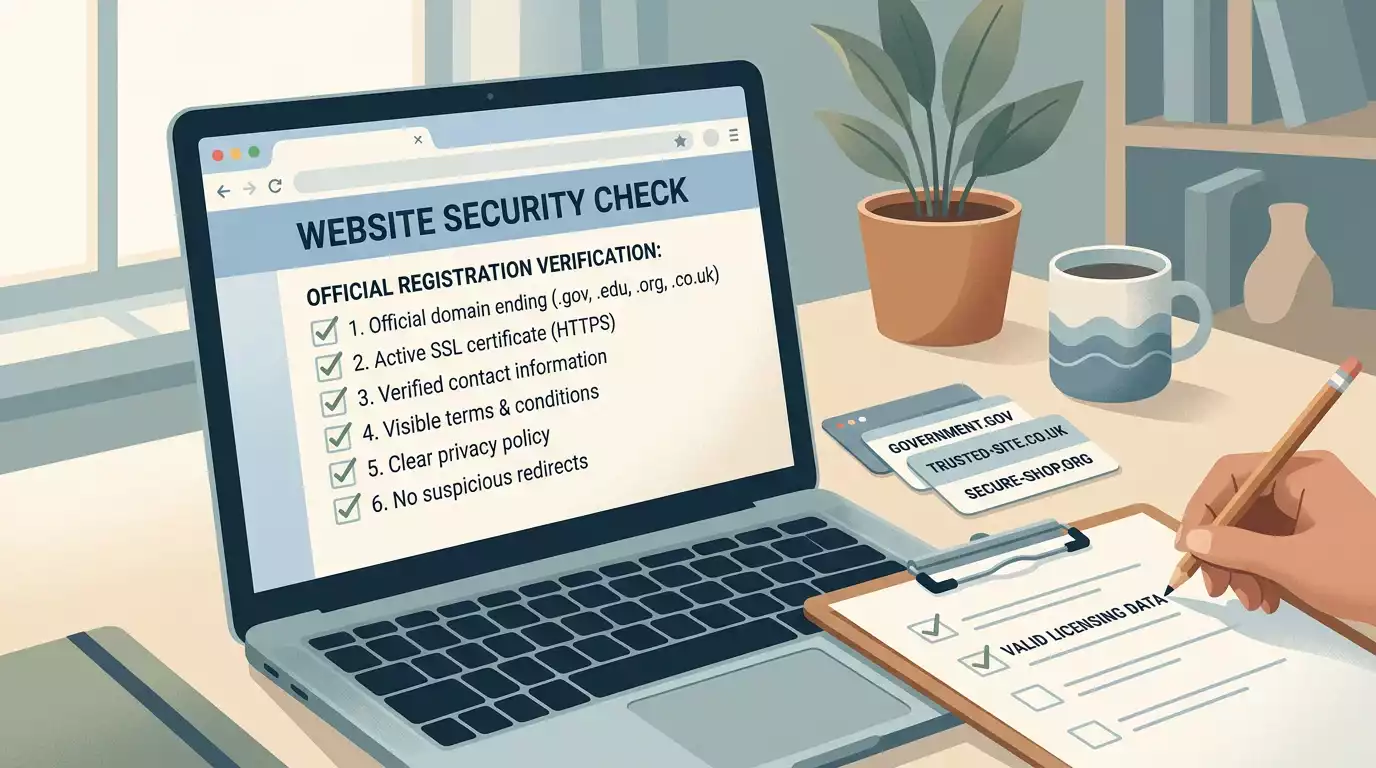
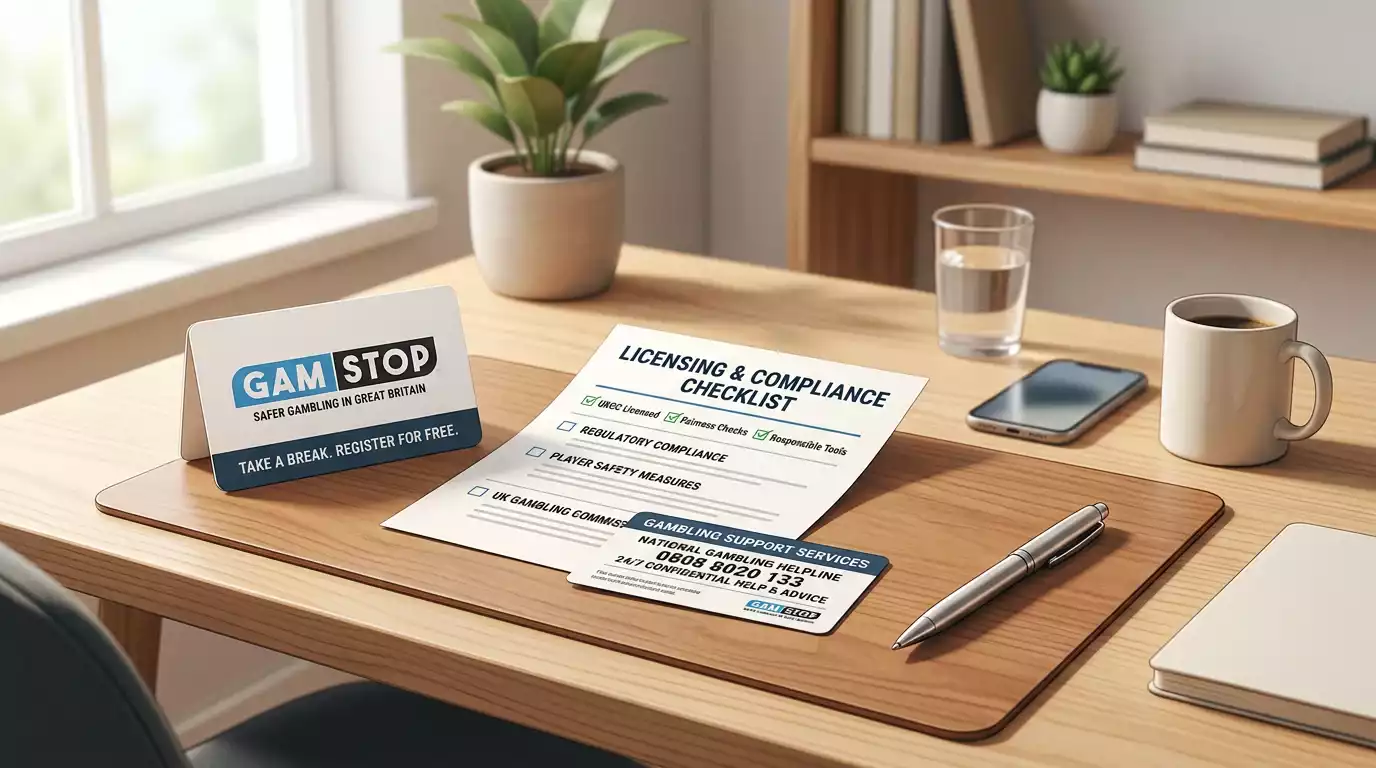
GAMSTOP participation and Gambling Commission licensing are separate ideas, but they are linked in the British online market. If a remote gambling operator is licensed in Great Britain, it should be part of the GAMSTOP framework. When a site presents itself to British consumers while seeming to sit outside that framework, the useful response is not to assume an advantage. The useful response is to slow down and check the official position, the business name, the domain name, the licence status, and the support boundaries before sharing money or documents.
There is also a geography point. Gambling Commission public guidance is about Great Britain. It should not be casually stretched into a full legal statement about every part of the United Kingdom, every offshore business, or every cross-border situation. A normal reader does not need legal jargon here. The practical rule is simpler: do not treat a marketing phrase as a licence check, and do not assume that a foreign licence gives the same consumer protections as a Gambling Commission licence.
What the phrase may imply and what it does not prove
| Signal you see | Careful interpretation | Do not infer |
|---|---|---|
| A site says it is not on GAMSTOP | It may not be inside the GB-licensed online gambling protection framework. | Do not infer that it is safer, cheaper, more private, more generous, or lawful for British consumers. |
| A site says it accepts UK players | The wording needs checking against the business name, domain, licence status and terms. | Do not infer that a foreign licence gives equivalent British consumer protection. |
| The site promotes easy access | The promise may be aimed at people frustrated by account checks, payment limits or self-exclusion. | Do not infer that weaker checks are a benefit. They may remove protections you would want if something goes wrong. |
| You are already self-excluded | The most useful next step is support, not a new deposit route. | Do not treat access as the goal if an exclusion was put in place to protect you. |
What GAMSTOP does and does not show
GAMSTOP can tell you something important about the protection framework around a GB-licensed online operator. It does not tell you everything about a gambling site. It does not audit every withdrawal term, review every bonus clause, examine every privacy practice, or confirm that a site will handle a dispute in the way you expect. It is one part of a wider set of checks.
- It covers the scheme boundary. GAMSTOP blocks access to websites and apps licensed in Great Britain for people who have registered for the service.
- It does not cover the entire internet. A site outside the scheme can still appear online, but that does not make it an acceptable place to gamble.
- It does not replace the public register. Licence status, domain names, trading names and visible regulatory details need their own check.
- It does not remove the need to read terms. Fees, bonus restrictions, withdrawal conditions, account rules and customer-fund wording still matter.
- It does not diagnose gambling harm. If an exclusion is hard to keep, that is a support issue, not a sign that a person needs a different site.
A careful reader should also separate a site’s own marketing from independent official information. A badge, slogan or claim on a homepage is not the same as finding the business on the Gambling Commission public register. A familiar-looking domain is not the same as a matching licensed domain. A general statement about “UK players” is not the same as a clear explanation of the legal entity, the applicable licence, and the account terms that apply before money is deposited.
Why non-participation can be a warning signal
Some marketing makes absence from GAMSTOP sound like freedom. That is a risky framing. For a person who has never self-excluded, the absence still raises practical questions about regulation, dispute routes, identity checks, terms and customer-fund protection. For a person who has self-excluded, the absence can pull them toward exactly the behaviour the exclusion was meant to interrupt.
The Gambling Commission describes a GB-facing gambling business without a Gambling Commission licence as acting illegally. That statement should be used carefully, because it does not turn this guide into legal advice about every offshore website. But it is enough to show why the phrase should never be used as a green light. If a site is actively aiming at British consumers while sitting outside the official British licensing framework, the burden is on the site to show clear, verifiable information. If the information is unclear, the sensible decision is to stop.
There is another point that matters in everyday life. Stronger checks can feel inconvenient when you want quick access, but checks are also how age rules, identity controls, payment limits, self-exclusion and complaints routes work. A site that promises less friction may also give you fewer protections when a withdrawal is delayed, when a term is unclear, when a bonus condition is disputed, or when you need to limit gambling.
If you are already self-excluded or blocked
If the reason you are reading about sites outside GAMSTOP is that an exclusion, bank block or account limit has stopped a deposit, treat that as an important pause point. The safer next step is not another account. It is to use the protection that is already in place and add support if the pressure to gamble feels strong.
That can mean checking your GAMSTOP details are current, using gambling-blocking tools, speaking to a recognised support service such as GamCare, or asking your bank about a gambling block. It can also mean talking to someone you trust before making a money decision. None of those steps requires shame. They are practical ways to reduce pressure at the moment when pressure is most likely to lead to a costly choice.
What to do next
Use the phrase as a prompt for checks, not as a destination. Start with the meaning, then move to the official checks before any account is opened. If the site cannot be matched to clear licensing and terms, do not fill the gap with assumptions. If your main concern is payment, identity checks or a withdrawal, read those rules separately. If the phrase is connected to self-exclusion or loss of control, move toward support rather than access.
- Check a gambling site before opening an account
- Understand payments, ID checks and withdrawals
- Get help when self-exclusion or loss of control is involved
What “casino not on Gamstop” means in the UK — More on this topic at casino not on gamstop.
See also Complaints, ADR and personal data concerns with gambling sites.
Created by the "Casino not on Gamstop" editorial team.