Payments, ID checks and withdrawals at online gambling sites
 Available in GB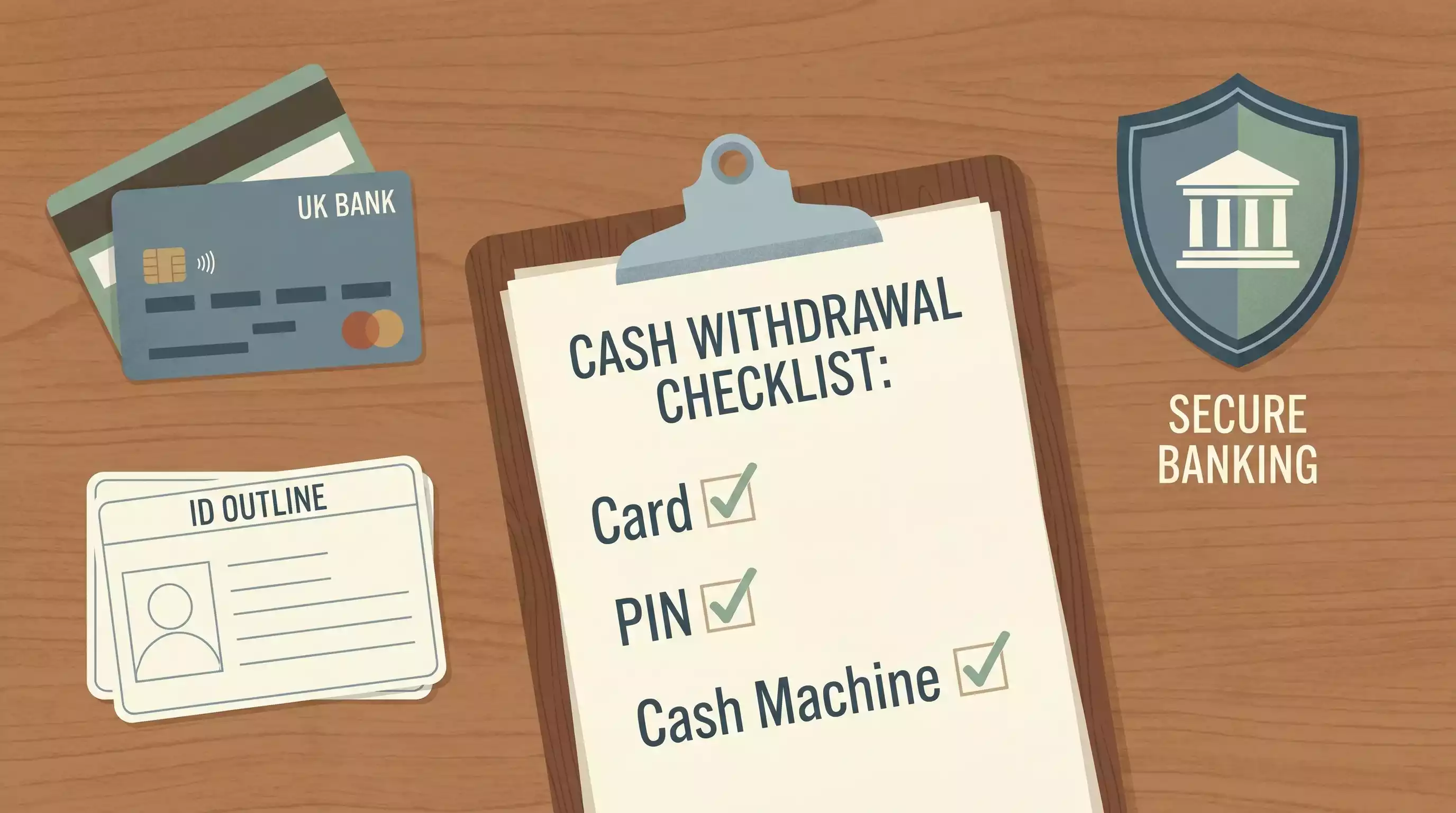
Credit cards and e-wallet funding
Credit-card gambling is restricted in the British regulatory context because gambling with borrowed money can increase harm. The same logic applies to e-wallets when the money in the wallet comes from a credit card. A gambling business should not accept an e-wallet payment if that arrangement fails to block credit-card funds from being used for gambling.
This matters when a site suggests easy deposits without explaining the funding route. A vague payment promise is not a reason to proceed. A clear business should tell you which payment methods are available to you, what fees or conditions apply, and whether the method fits the rules that apply to the account. This guide does not list payment brands because availability can change and operator-specific claims need direct verification. The safer principle is stable: do not rely on a payment route that appears to weaken a protection.
Age, identity and financial checks
Age and identity checks are expected before gambling with a licensed online operator. That means a claim that documents will never be needed should make you more cautious, not more confident. Checks can include proof of age, identity, and sometimes financial or anti-money-laundering information depending on the situation. A legitimate check should be explained clearly, requested through a proper account process, and connected to a real rule or risk control.
There is a balance. Operators may need information, but public guidance also indicates that they should not wait until withdrawal to ask for identity or anti-money-laundering information if they could reasonably have asked for it earlier. In plain English, a business should not use late paperwork as a surprise barrier where the request could have been made before gambling. That does not mean every later check is wrong. It means timing, clarity and reasonableness matter.
Before sending documents, check the business first. Read the account terms, privacy information and licence details. If you cannot identify the business clearly, or if the site asks for sensitive documents while hiding basic account conditions, stop. Identity documents are valuable. Do not send them to a site you have not been able to verify.
Money and account checks: safe explanation versus unsafe promise
| Topic | What verified public guidance supports | What this guide will not promise |
|---|---|---|
| Credit cards and e-wallet funding | Credit-card gambling is restricted, and e-wallets must not allow credit-card funds to be used for gambling. | No claim that a different payment route makes the restriction irrelevant. |
| Age and identity checks | Licensed online gambling businesses must ask users to prove age and identity before gambling. | No promise that an account can be used without meaningful checks. |
| Financial or AML information | Extra information may be required, but requests should be clear and not unfairly delayed when they could reasonably be made earlier. | No promise that later checks can never happen. |
| Own-money withdrawals | Consumers should be able to withdraw their own money without unreasonable delay or restriction. | No guarantee that every withdrawal will be immediate or dispute-free. |
| Bonus restrictions | Sites must be clear about bonus terms and restrictions that affect withdrawals. | No assumption that a headline bonus is simple, generous or suitable. |
| Bank gambling blocks | Bank blocks can limit gambling transactions and are described as a support tool. | No instructions for weakening a block when it is protecting you. |
Withdrawals: what to read before you deposit
Withdrawal problems are easier to handle if you read the rules before you deposit. Look for how the site treats your own money, how bonus funds affect withdrawals, whether fees can apply, and what documents may be requested. Public guidance says people should be able to withdraw their own money without unreasonable delay or restriction. It also says bonus restrictions must be clear. Those two ideas belong together: a site should not hide the condition that later decides whether money can be withdrawn.
Be especially careful when a promotion is louder than the terms. A bonus can change the withdrawal position if wagering requirements, game restrictions or other conditions apply. This guide does not assess specific bonuses, because doing that properly would require current operator terms. The practical rule is to read the restriction before opting in. If you cannot understand it, do not treat the offer as free money.
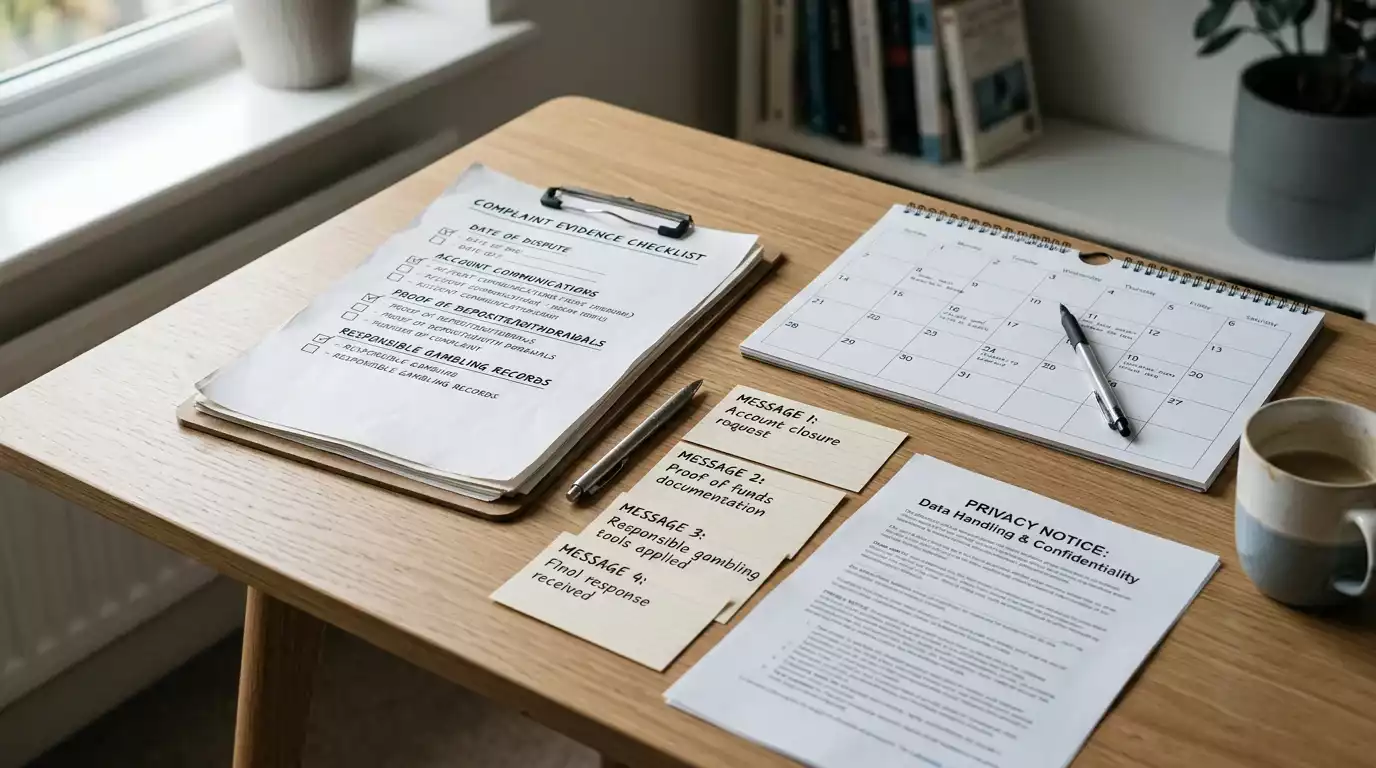
If a withdrawal is already stuck, keep records. Save account messages, dates, transaction references, the terms visible when you deposited, verification requests and any response from the business. Do not send repeated deposits in the hope that the issue will clear. If the problem becomes a dispute, the next guide on complaints and data concerns explains the safer route without promising an outcome.
Bank gambling blocks are there for a reason
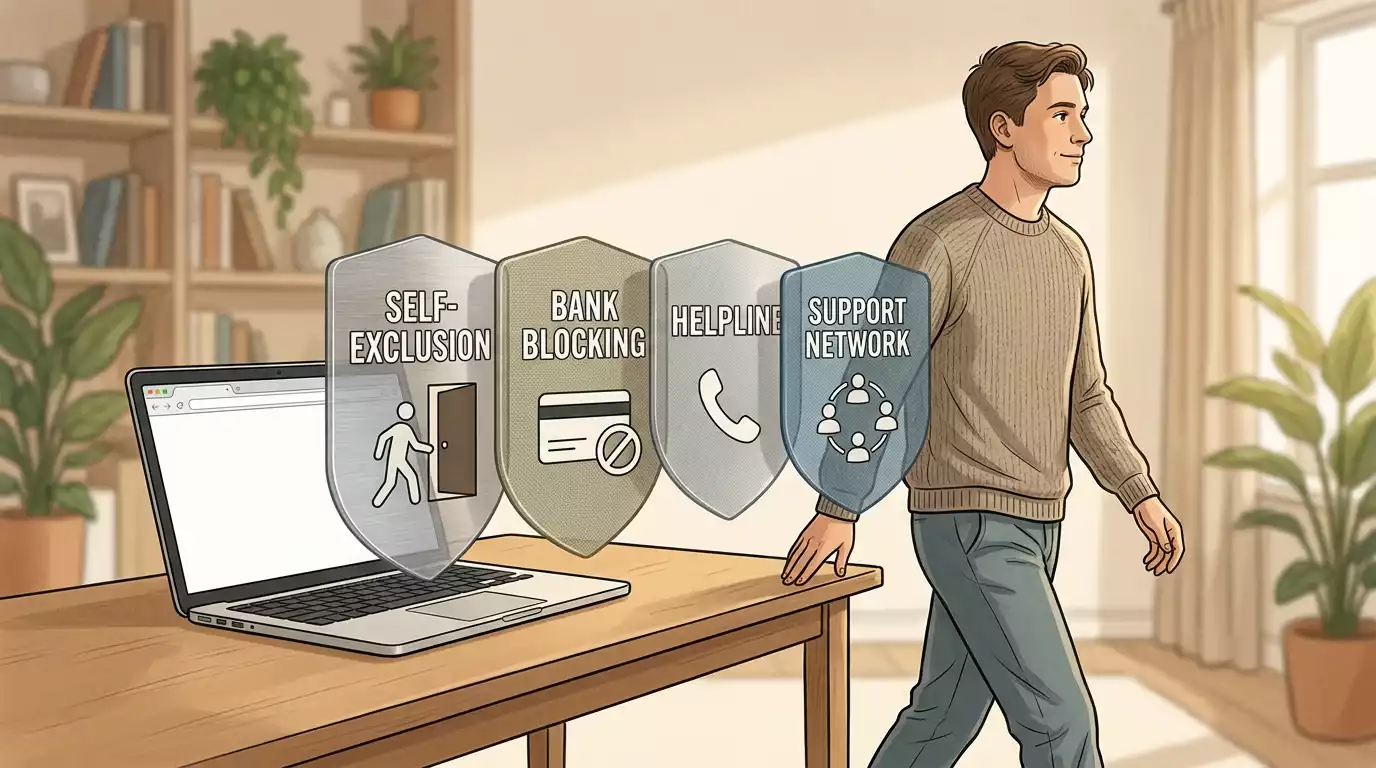
Bank gambling blocks can limit debit-card or account transactions that are categorised as gambling. They are described by official and recognised support pages as a tool that can help people control gambling spend. If a block has stopped a payment, that is useful information about the risk level of the moment. It may feel frustrating, but it can also be the pause that protects rent, bills, savings or recovery progress.
If you added a block yourself, treat it as a decision made by your calmer self for the benefit of your pressured self. If someone else encouraged you to add it, consider talking to them before making another gambling-related decision. If the urge to deposit feels urgent, a delay is not failure. It is a practical harm-reduction step.
A simple pre-deposit money check
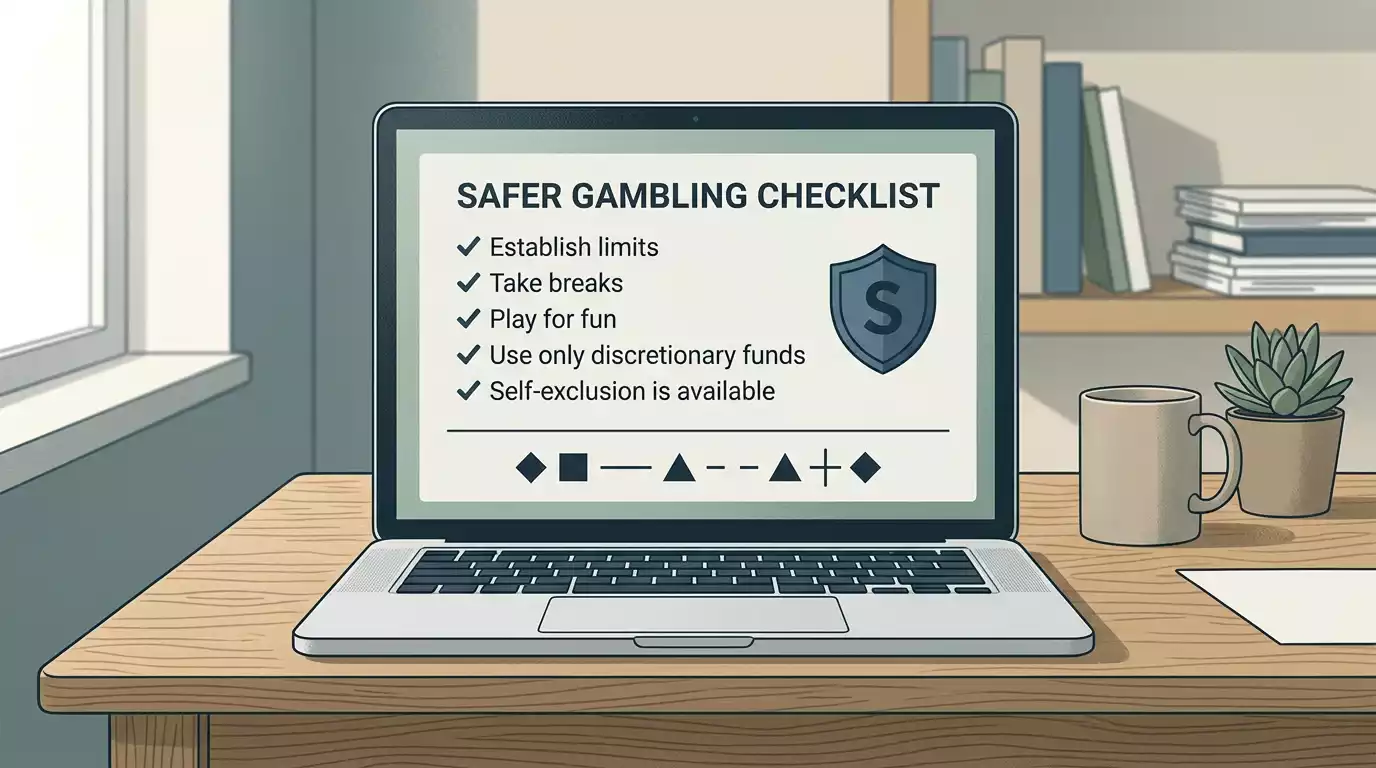
- Confirm the business and domain before sharing card, bank or identity details.
- Read the account terms, fees and customer-fund wording before opening an account.
- Check whether any bonus conditions would affect withdrawals from your own balance.
- Expect age and identity checks; do not treat their absence as a benefit.
- Keep payment and account messages in case you later need to raise a complaint.
- If a bank block, self-exclusion or spending limit is active, treat it as a protection signal and consider support before trying to gamble again.
These steps do not make gambling risk-free. They reduce the chance of relying on a vague promise at the moment money or personal data is at stake.
Where to go next
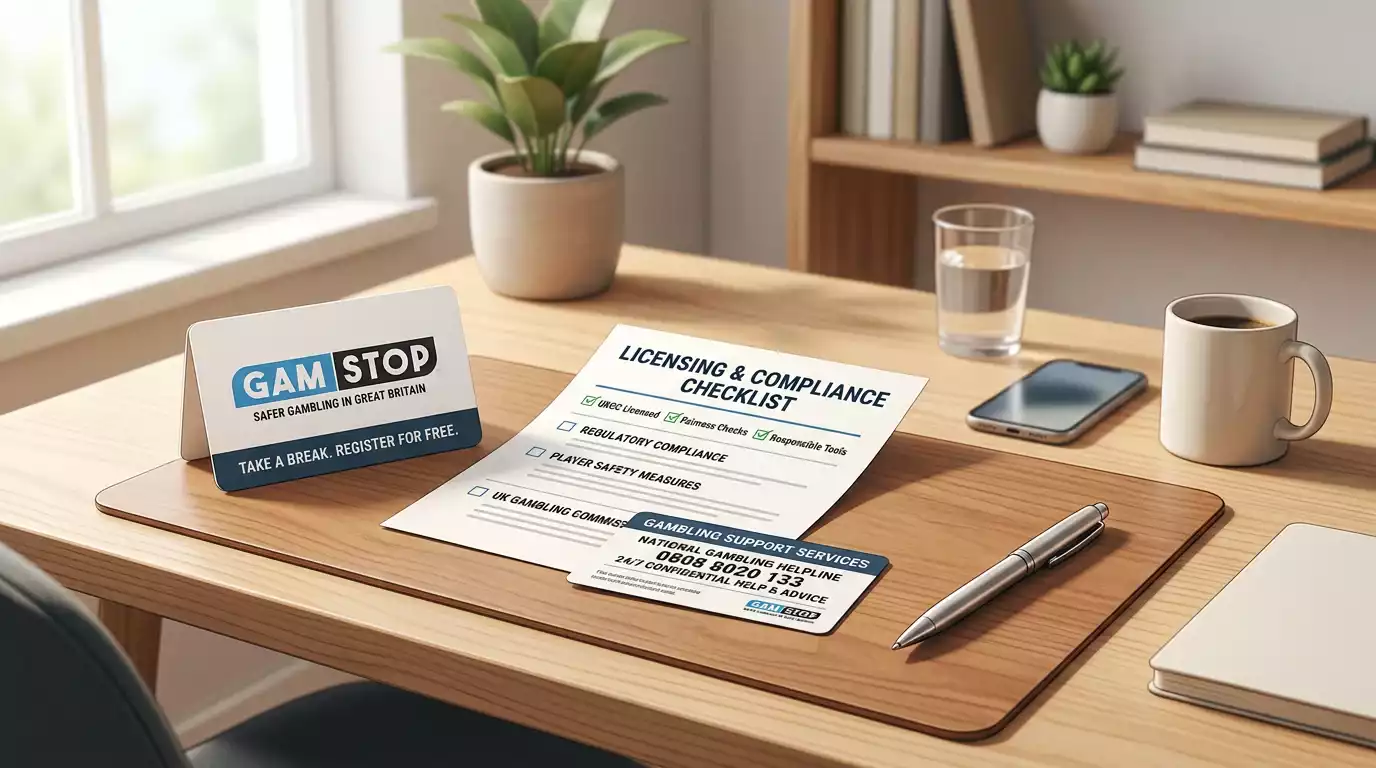
Payment and verification checks are not a replacement for a licence check. If you have not checked the business yet, start with how to check a gambling site before opening an account. If a withdrawal, bonus term or data issue has already become a problem, use the complaints and personal data guide. If the pressure to deposit is connected with self-exclusion, bank blocks or loss of control, the most relevant page is self-exclusion and support options.
- Check a site before sharing money or documents
- Handle withdrawal, term and data problems
- Use support when a block or exclusion is involved
Payments, ID checks and withdrawals at online gambling sites — More on this topic at casino not on gamstop.
Created by the "Casino not on Gamstop" editorial team.